Fire Marshal Inspection Colorado: Why Reporting and Managing System Impairments Matters
If you own, manage, or operate a commercial building in Colorado, a fire marshal inspection is not just a box to check. It is one of the clearest moments when paperwork, maintenance habits, and real-life building safety all meet. What often trips people up is not the obvious stuff. It is not usually the missing ceiling tile everyone can see or the extinguisher mounted in the wrong place. More often, the trouble starts with a system impairment that was noticed, discussed, maybe even emailed around, but never fully reported, documented, or managed.
That matters because fire protection systems are not decorative. A sprinkler system, fire alarm panel, standpipe, backflow assembly, or fire pump has a job to do on a very bad day, under pressure, without any second chances. When one of those systems is disabled, partially out of service, or not performing as intended, the risk shifts immediately. If the fire marshal or another authority having jurisdiction reviews the property, they are not only looking for equipment. They are looking for whether the building owner or operator understands the condition of that equipment and has responded appropriately.
In the Denver area, that point carries extra weight. Denver adopts the International Code Council building and fire code suite with local amendments, and projects may require permits and reviews tied to those codes. Denver’s Fire Prevention Division is also authorized to inspect buildings, equipment, and life safety systems, and can investigate disabled or nonfunctioning fire protection systems. That means the condition of your systems, and the way you handle problems with them, can become part of a very real compliance conversation.
What “impairment” actually means in practice
People in the field use the word impairment a lot, but building teams do not always define it the same way. In practical terms, an impairment is a condition where a fire protection system or a portion of it cannot perform its intended function normally. Sometimes the cause is planned. A contractor shuts down part of a sprinkler system for work during a tenant improvement fire protection Denver project. A fire alarm panel upgrade Colorado job needs a temporary outage. A backflow device must be isolated for backflow preventer testing Denver. Those are controlled situations, but they still need to be managed carefully.

Other impairments are unplanned. A valve is found closed. A trouble signal stays active. A device fails inspection. A component is damaged during remodeling. A fire pump does not perform properly during fire pump testing Colorado. A suppression system has a deficiency found during a fire suppression system inspection Denver visit. None of these situations means catastrophe by itself, but every one of them changes the building’s risk profile.
One of the most common mistakes I see in commercial settings is assuming that a partial problem can wait because the system is still “mostly working.” Fire protection does not work on a grading curve. If an inspector, service company, property manager, and owner all have a different understanding of what is out of service, confusion sets in fast. By the time the fire marshal inspection Colorado appointment arrives, everyone may have a different story, and none of them may be well documented.
Why reporting matters as much as the repair
A lot of building owners focus on getting something fixed, which is important, but they underestimate the importance of the reporting trail. Reporting does not just mean calling a vendor. It means identifying the issue clearly, documenting what part of the system is affected, retaining inspection reports and deficiency notices, and being ready to show what actions were taken. That is the difference between “we had a problem” and “we recognized a problem, evaluated it, and managed it responsibly.”
NFPA guidance makes this point clearly in spirit. Inspection findings, deficiencies, and impairments are part of normal fire protection system maintenance and should be addressed under the applicable standard. For water-based systems, NFPA 25 is the governing framework for inspection, testing, and maintenance. That includes sprinkler systems, standpipe systems, fire pumps, and water storage tanks. For fire alarms, NFPA 72 is the core standard for installation, inspection, testing, maintenance, and emergency communications systems. These standards are not just technical references for contractors. They shape what good system stewardship looks like.
During a fire marshal inspection, records often tell the story before anyone opens a riser room door. If the paperwork shows a clear history of service, testing, identified deficiencies, follow-up, and resolution, the building team looks organized and credible. If records are incomplete, scattered, or inconsistent, even a small issue can feel bigger than it is.
That is especially true in the fire protection Denver metro market, where many properties have multiple occupancies, phased remodels, aging systems, and several vendors touching different parts of the building over time. One company may perform fire extinguisher service Denver. Another may handle fire alarm system maintenance Denver. A third may inspect commercial fire sprinkler systems Colorado. Without central reporting and recordkeeping, it is easy for gaps to form.
The fire marshal is not guessing
There is sometimes a misconception that inspectors are looking for “gotcha” violations or making subjective calls on a whim. In reality, the authority having jurisdiction, often the fire chief, fire marshal, building official, or similar official, enforces the code locally. Their role is grounded in adopted code and recognized standards. When they review a building, they are comparing conditions on site with what is required and what the documentation shows.
In Denver, local code adoption and amendments matter. Permit review and inspection tie directly into construction and remodeling work, including fire alarm and sprinkler-related systems. Tenant finish and alteration materials also indicate that plumbing, fire suppression, and fire alarm permits can be part of tenant improvement work. So if a suite was reconfigured, walls moved, occupancy changed, or devices relocated, that work is not isolated from the fire marshal’s concerns. It can affect detection coverage, suppression layouts, notification, and egress conditions, all of which become relevant during review.
This is one reason impairments that happen during remodeling deserve extra attention. A building team may be focused on schedule, lease deadlines, and opening dates. The fire marshal will be focused on whether life safety systems remained compliant and functional through the process, or whether outages and deficiencies were tracked and addressed properly.
The hidden cost of “temporary”
Temporary conditions have a bad habit of becoming permanent when nobody owns the follow-up. A disconnected detector during ceiling work, a supervisory issue acknowledged but not resolved, or a valve issue parked for next quarter’s budget can sit longer than anyone intended. In the meantime, staff changes, tenant turnover, and contractor handoffs blur the history.
I have seen situations where everyone in the building thought someone else had the records. Maintenance thought the property manager had them. The property manager thought the service provider had sent them to ownership. Ownership assumed the deficiency was minor because there had not been an emergency. Then inspection day came, and suddenly people were searching email chains from months back trying to reconstruct what happened.
That scramble is avoidable. Good impairment management is less about heroics and more about habits. When a system problem appears, the goal is to make the condition visible, understandable, and traceable.
Here is what that usually looks like in a well-run property:
- the issue is identified and written down clearly
- the affected system or area is defined, not described vaguely
- the inspection report, deficiency notice, or service paperwork is retained
- the responsible party for follow-up is named
- the final correction is documented and filed with the related records
That is not glamorous work, but it saves time, reduces disagreement, and shows fire code compliance Denver efforts are being taken seriously.
Sprinklers, alarms, pumps, and backflow each create different risk
Not all impairments are equal, and that is where judgment matters. A deficiency in a water-based fire protection system can raise a very different set of concerns than a programming issue at a fire alarm panel. Both matter, but they affect life safety and building operations in different ways.
For commercial fire sprinkler systems Colorado properties, NFPA 13 governs design, installation, and acceptance testing, while NFPA 25 governs ongoing inspection, testing, and maintenance. If a sprinkler problem is found, the question is not just whether there is a leak or a visible defect. It is whether the system as installed and maintained can perform as intended. A closed valve, a failed device, or unresolved testing issue can have consequences far beyond one room.
With fire alarm system maintenance Denver work, NFPA 72 is the central reference. Fire alarm systems are often the first layer of response. They detect, notify, and coordinate. If a trouble signal is ignored or a component remains impaired, the building may lose early warning capability or have incomplete notification coverage. A fire alarm panel upgrade Colorado project adds another wrinkle because transition periods can create temporary conditions that need to be tightly managed and documented.
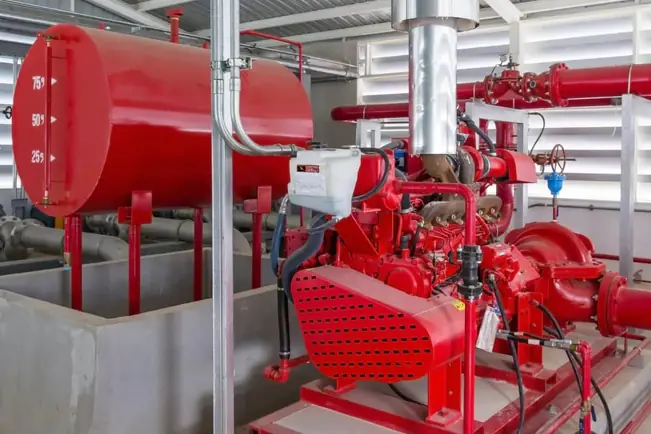
Fire pump testing Colorado results matter because the pump supports system performance under demand. If testing identifies concerns, that cannot be treated like a minor housekeeping issue. The same goes for backflow preventer testing Denver. Backflow assemblies relate to water supply protection, and testing records are part of the broader picture of system readiness and compliance.
For emergency fire protection Colorado planning, all of these systems overlap. If one is down, the level of risk may change significantly depending on the building’s occupancy, layout, and reliance on the affected equipment.
Where inspections often expose weak management
A fire marshal inspection rarely creates a problem out of nowhere. More often, it reveals one that has been sitting quietly. The common weak points are familiar.
The first is fragmented documentation. Test reports exist, but nobody can put them together in one file. Deficiency notices are on hand, but there is no record showing correction. Service tags may look current, while the underlying inspection reports tell a more complicated story.
The second is confusion between a deficiency and a completed repair. A vendor may note a problem during inspection, and the owner may assume that finding means the vendor also fixed it. Unless there is separate confirmation, that assumption can backfire.
The third is tenant work that outpaces fire protection review. In fast-moving tenant improvement fire protection Denver projects, layout changes can happen quickly. But life safety systems do not automatically adapt just because the drywall is finished and the paint is dry. Permits, reviews, and inspections tied to fire alarm and suppression work are part of the process.
The fourth is treating recurring trouble conditions like background noise. Building teams get used to what they see every day. An inspector seeing the site fresh may not view those “normal” issues kindly.
A practical way to prepare before the inspector arrives
The best preparation is not a one-day cleanup. It is a recordkeeping and maintenance culture that makes inspection day routine. Still, if you know a fire marshal inspection Colorado review is coming, it helps to think in terms of proof, not intentions. Can you show what systems are in place, when they were inspected, what deficiencies were found, and what was done about them?
A useful internal review usually covers four basic questions. Are current inspection and testing reports available? Are open deficiencies clearly identified? Were any recent outages or impairments documented and managed? If recent construction or remodeling affected fire alarm, suppression, or related life safety work, do the permit and inspection records line up with what is installed now?
That kind of review often uncovers simple but meaningful problems, such as a missing report from a recent fire extinguisher service Denver visit, unresolved follow-up from a fire suppression system inspection Denver appointment, or testing paperwork filed under the wrong tenant suite number. Those are small administrative misses until they collide with a code review.
Construction and remodels change the picture fast
Denver’s permit environment is important here. Local materials indicate that fire suppression and fire alarm permits can be part of tenant finish and alteration work, and that sprinkler- and alarm-related work is tied to permit review and inspection during construction and remodeling. That means impairment management is not just a maintenance issue. It is also a project management issue.
Suppose a tenant expands into an adjacent suite. Walls move, devices shift, and coverage assumptions change. Maybe the HVAC layout changes too, which can affect detector placement and related design considerations. If system work happens during that project, records need to show what was modified, what was inspected, and whether any temporary outages occurred. If a problem remained open at turnover, the owner inherits that risk whether they realized it or not.
This is where coordination pays off. The general contractor, electrician, sprinkler contractor, alarm contractor, property manager, and owner do not need daily meetings forever, but they do need a shared understanding of who is tracking system status and paperwork. Otherwise, gaps form in exactly the places a fire marshal is likely to ask about.
Service partners matter, but ownership still owns the result
A solid vendor can make life easier. A company serving the Denver area, such as Pre Action Fire, Inc, may handle inspection, testing, or service work within the broader local fire protection ecosystem. But even the best service provider cannot replace owner responsibility for records, follow-through, and code compliance. Contractors inspect and report. Authorities enforce. Owners and operators are the ones who must make sure deficiencies and impairments do not drift unresolved.
That distinction becomes important when a building has several service partners. One team may be responsible for sprinkler work under NFPA 25. Another handles alarms under NFPA 72. Another performs extinguisher service. If those records are not gathered and reviewed centrally, no one sees the full condition of the building’s life safety systems.
I have found that the most reliable properties designate one point of accountability, even if several people contribute. It might be a facility manager, property manager, compliance lead, or owner’s rep. The title matters less than the clarity. Someone needs to be able to answer, without guessing, what systems are in service, what impairments are open, and where the documentation lives.
The difference between a manageable issue and a bad inspection
Most buildings will have issues at some point. That alone is not unusual. The bigger question is whether the issue is being actively managed. Fire marshals and other AHJs see the difference quickly.
A manageable issue usually comes with a paper trail, recent action, and a clear explanation. The team can say what happened, when it was discovered, what part of the system was affected, what standard applies, what contractor responded, and what the current status is. Even if the repair is still in process, that level of control matters.
A bad inspection experience often looks different. People contradict each other. Reports are missing. Dates do not line up. An “old issue” turns out to be a current impairment. Recent remodel work has no clear fire protection documentation. Nobody is sure whether the problem was ever corrected. That is when a minor systems concern starts to feel like a broader management problem.
Good records support real safety, not just compliance
It is tempting to treat reporting as bureaucracy, but that misses the point. Good reporting helps people make better decisions when conditions change. If a system is impaired, building leaders may need to adjust operations, prioritize repair spending, coordinate with tenants, or confirm what other layers of protection remain available. None of that is possible if the facts are vague.
It also supports continuity. Buildings change hands. Managers move on. Tenants come and go. Without records, each new person starts from zero and old issues are rediscovered the hard way. With records, the building has a memory.
For anyone responsible for fire code compliance Denver obligations, that is the practical value of careful impairment management. It protects people first, and it gives the fire marshal a clear, defensible picture of how the property is being run.
Why this matters most before there is an emergency
The phrase emergency fire protection Colorado sounds dramatic, but the decisions that shape emergency performance usually happen long before any alarm sounds. They happen when a deficiency is found during testing and someone decides whether to chase it promptly. They happen when a tenant remodel affects system coverage and someone decides whether permits and inspections will be handled correctly. They happen when a service report lands in an inbox and someone either files it, reviews it, and acts on it, or lets it disappear into a folder nobody opens again.
That is why reporting and managing system impairments matters so much. A fire marshal inspection is not only about whether a system exists. It is about whether the people responsible for that system know its condition, respect the code framework around it, and can show that problems are being addressed with discipline.
In the Denver metro https://denversystemupkeep300.alderbrief.com/posts/nfpa-72-in-plain-language-a-simple-guide-for-denver-fire-alarm-system-owners-and-managers area, where code adoption, local amendments, permit review, and system inspections all intersect, that discipline is not optional. It is part of responsible building ownership. When your records are organized, your contractors are coordinated, and impairments are managed instead of ignored, inspections tend to go better for a simple reason. The building is actually safer.