Commercial Fire Sprinkler Systems Colorado: What Routine Inspection and Testing Helps Verify
Walk through enough commercial buildings in Colorado and you start to notice the same pattern. The sprinkler system is everywhere and almost invisible at the same time. Heads sit above office ceilings, risers live in back rooms, control valves hide in stairwells, and fire department connections face the street without drawing much attention. Most of the year, nobody thinks about any of it unless a permit is being pulled, a renovation starts, or the fire marshal asks for records.
That quiet presence is exactly why routine inspection and testing matters. A sprinkler system is not there to look finished on a set of plans. It is there to perform under stress, often after months or years of no real activity. In commercial fire sprinkler systems Colorado property owners depend on, inspection and testing helps verify that the system is still ready, still connected to its water supply, still able to communicate alarms where applicable, and still aligned with the code requirements that apply in the local jurisdiction.
In the Denver area, that local piece matters. Denver adopts the International Code Council building and fire code suite with local amendments, and work on buildings can involve permits and review tied to that framework. Denver’s Fire Prevention Division also has authority to inspect buildings, equipment, and life safety systems, including situations where fire protection systems are disabled or not functioning. That means owners, facility managers, and tenants are not just maintaining equipment for their own peace of mind. They are also maintaining a documented, reviewable life safety system that may be examined by the authority having jurisdiction, often called the AHJ. Under NFPA guidance, that AHJ can be the fire chief, fire marshal, building official, or a similar official responsible for enforcing the code locally.
What inspection and testing really verifies
People sometimes assume inspection and testing exists to “pass” a fire marshal inspection Colorado businesses may face. That is part of the picture, but it is too narrow. Good inspection and testing verifies operating condition, identifies deficiencies, documents impairments, and creates a record of what the system looked like at a specific moment in time.
For water-based systems, NFPA 25 is the central standard for inspection, testing, and maintenance. It covers sprinkler systems, standpipe systems, fire pumps, and water storage tanks. NFPA 13, by contrast, is the installation standard for automatic sprinkler systems, including design, installation, and acceptance testing. That distinction matters in the field. A system may have been properly installed years ago under NFPA 13, but routine care afterward lives under NFPA 25. If an owner mixes those ideas together, it is easy to miss what should be checked after turnover.
Routine work helps verify several practical things at once:
- the system has not been shut off, isolated, damaged, or altered without proper follow-up
- components that need to move or signal still do so
- water can still reach the system under the expected conditions
- records exist to show what was inspected, tested, found deficient, or repaired
- changes to the building or tenant space have not quietly created protection gaps
That sounds straightforward, but real buildings are rarely neat. A warehouse turns into a mixed-use storage space. A retail tenant adds walls and ceilings. A backflow device gets replaced. A fire alarm panel ages out. A renovation crew nicks a component and never reports it. Most serious inspection findings are less dramatic than a pipe burst and more common than most owners expect.
Water supply is the first thing everyone should care about
If I had to pick one question that routine inspection and testing helps answer, it would be simple: can the system still get water where it needs to go?
That question runs deeper than many owners realize. A sprinkler system can look perfectly normal and still be compromised by a shut control valve, a supply issue, a backflow problem, or a fire pump concern. In the Denver metro area, where commercial facilities range from compact office suites to larger distribution and industrial properties, the water supply arrangement can vary quite a bit. Because of that, fire suppression system inspection Denver property managers arrange should not be treated as a box-checking exercise.
Inspection and testing helps verify that control valves are in the proper position and supervised where required. It helps verify that the path from the water source to the sprinkler system remains intact. If the property uses a backflow assembly, backflow preventer testing Denver owners schedule becomes part of the broader picture. Backflow protection serves an important role, but from a sprinkler reliability standpoint it is also a device in the water path that must operate as intended. A test report on the backflow side does not replace sprinkler inspection records, but the two records often belong in the same conversation because they affect the same life safety outcome.
Where a building relies on a fire pump, fire pump testing Colorado facilities arrange is equally important. A pump is not just a piece of rotating equipment sitting in a room. It is part of the system’s ability to deliver water at needed pressure and flow conditions. Routine testing helps verify that the pump starts, runs, and supports the fire protection system the way it is expected to. When a pump issue shows up, it is often far better to find it during planned testing than during an emergency.
Visible components tell a story, if someone knows how to read them
One of the most valuable parts of a sprinkler inspection is also one of the least glamorous. It involves looking, really looking, at the system components that people pass every day.
Sprinkler heads can be obstructed by storage, decorations, new ceiling features, or changes made during tenant build-outs. Gauges can show unusual conditions. Valve rooms can become storage closets. Fire department connections can be blocked, damaged, or neglected. None of these conditions requires a dramatic failure to become important. They matter because they can interfere with system performance or create questions during an inspection by the AHJ.
This is where experience makes a difference. Someone who works regularly in fire protection Denver metro buildings knows the difference between cosmetic aging and a condition that points to a larger issue. They also know that deficiencies should be documented clearly. NFPA guidance recognizes deficiencies and impairments as part of normal fire protection system maintenance, which is an important point. Finding a problem during inspection is not proof that the system is useless. It is proof that the process worked well enough to catch something before an emergency exposed it.
That distinction can calm down owners who get nervous when they receive a deficiency notice. The notice is not the end of the story. It is the start of the correction process, and the documentation matters.
Alarm interaction is part of the life safety picture
A sprinkler system does not exist in isolation. In many commercial occupancies, water flow conditions, supervisory signals, and related system events tie into a fire alarm system. That makes fire alarm system maintenance Denver building owners arrange relevant even when the conversation begins with sprinklers.
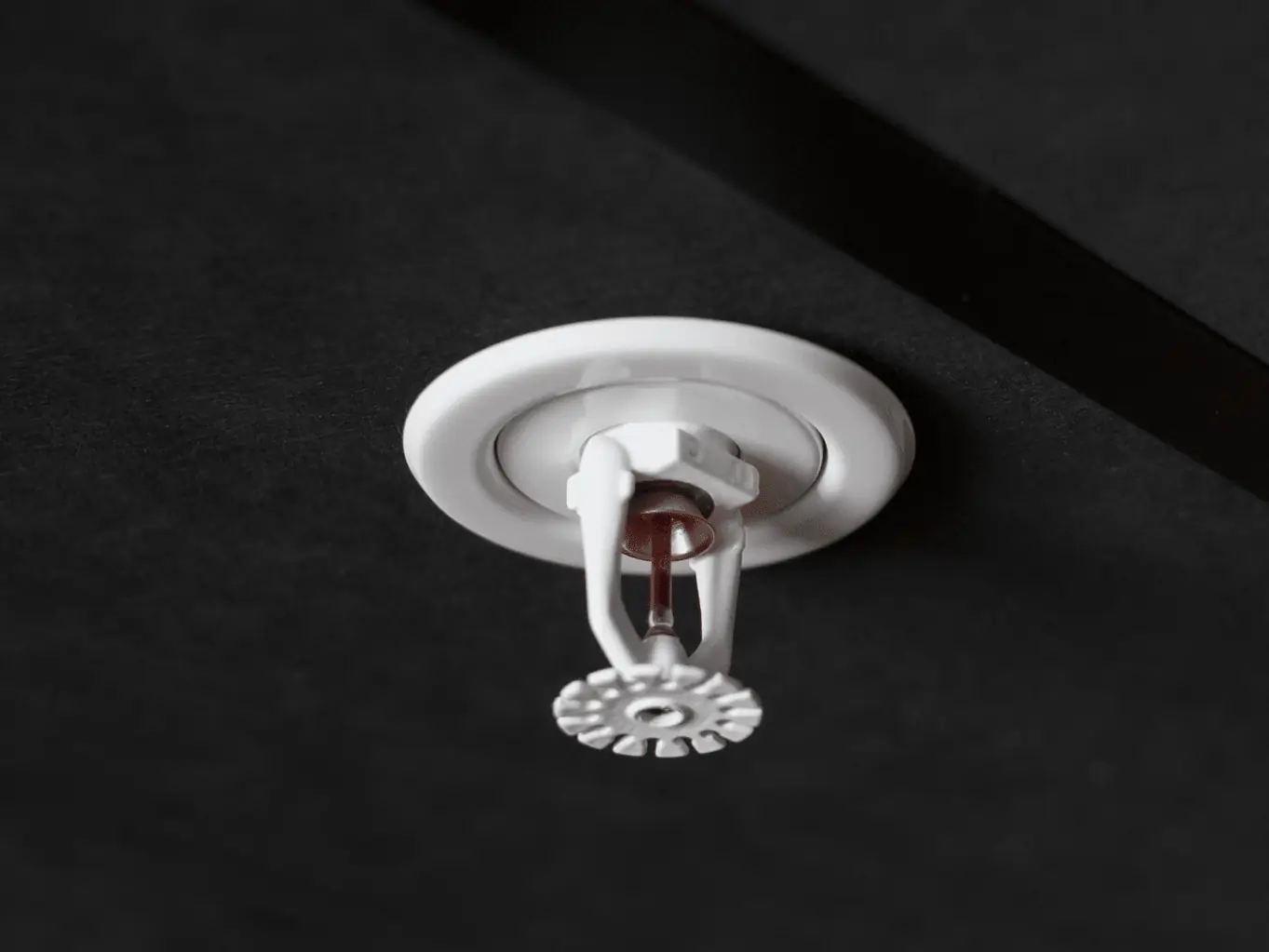
NFPA 72 is the core standard for fire alarm systems, including installation plus inspection, testing, maintenance, and emergency communications systems. If a sprinkler control valve changes status, or if water movement should trigger a signal, routine testing helps verify that the expected communication path still works. That can include the local panel, monitoring interface, or other portions of the alarm arrangement, depending on the system configuration.
This is one area where older buildings often show their age. Not every issue means a full fire alarm panel upgrade Colorado owners may be considering, but aging panels and legacy components can complicate testing, reporting, and repairs. Even when the sprinkler piping itself is in decent shape, the connected notification or supervisory side may be lagging behind. The practical lesson is simple: a water-based system and an alarm system often need to be discussed together, especially if recent deficiencies involve signals, monitoring, or supervisory devices.
Routine testing helps catch the impact of tenant changes
A surprising number of fire protection problems begin with ordinary tenant improvement work. A new office layout, a revised stockroom, a restaurant remodel, a demising wall, or a ceiling rework can all change the protection picture. In Denver, tenant finish and alteration permit materials indicate that plumbing, fire suppression, and fire alarm permits can be part of tenant improvement work. Denver code materials also show that sprinkler-related and fire alarm-related work ties into permit review and inspection during construction and remodeling.
That matters for owners and tenants alike. Tenant improvement fire protection Denver projects should not be treated as a finish package where life safety gets checked at the end. If the occupancy arrangement or interior layout changes, routine follow-up inspection and testing helps verify that the system still matches the actual space.
I have seen otherwise well-run properties run into trouble because a tenant build-out looked harmless on paper. A small partition here, a ceiling adjustment there, some relocated fixtures, then months later someone realizes a sprinkler head placement or alarm interface no longer aligns with the finished condition. Nobody intended to create a hazard. The problem was that the building changed faster than the documentation and verification process did.
Paperwork is not the boring part, it is the proof
When a building goes through a fire marshal inspection Colorado owners often scramble for one thing first: records. Not because paperwork is glamorous, but because it proves whether inspections happened, what was found, and whether deficiencies were addressed.
Good records usually include inspection reports, testing reports, deficiency notices, and related certification paperwork. They also help owners answer practical questions. Was the issue found last month, or last year? Was it corrected, deferred, or still open? Did a contractor note an impairment? Was a device taken out of service during another project? Has follow-up work been documented?
This becomes especially important when there are multiple vendors touching the same building over time. A property may have one company handling fire extinguisher service Denver locations require, another handling sprinkler inspections, another handling fire alarm maintenance, and still another involved in backflow testing or pump work. That division is common, but someone still has to maintain a coherent file. If the AHJ asks to review records, scattered email chains and half-complete folders are not much help.
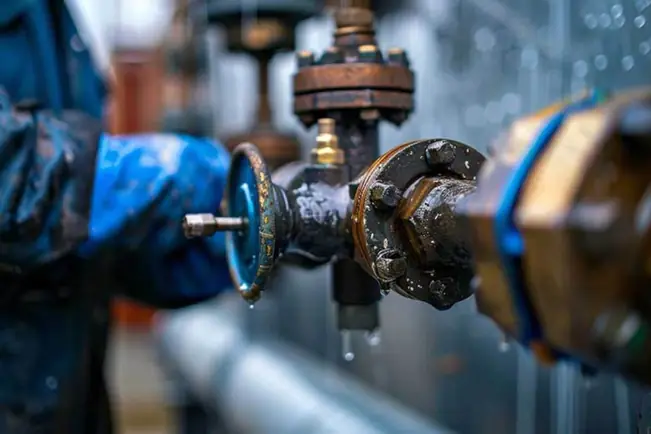
Pre Action Fire, Inc is a fire protection company serving the Denver area, and companies in that space often spend as much time helping customers organize documentation as they do discussing hardware. That is not accidental. In the real world, recordkeeping is part of system reliability because undocumented conditions tend to linger.
Deficiencies, impairments, and the difference between the two
Owners sometimes use the words deficiency and impairment as if they mean the same thing. In day-to-day conversation, that is understandable, but in practice the distinction matters.
A deficiency is generally a condition found during inspection, testing, or maintenance that does not meet the expected standard or performance requirement. An impairment is more serious in the sense that the fire protection system, or part of it, is out of service or cannot perform as intended. NFPA guidance specifically addresses deficiencies and impairments as normal parts of sprinkler system maintenance, and that is useful because it pushes people toward proper evaluation rather than guesswork.
A dusty sprinkler room is not the same as an isolated control valve. A paperwork gap is not the same as a disabled water supply. Both matter, but they do not carry the same operational urgency. Routine inspection and testing helps verify not only that a problem exists, but what kind of problem it is. That informs response. Some items can be scheduled and corrected through normal service workflow. Others may demand immediate action because the building’s emergency fire protection Colorado readiness has been reduced in a more serious way.
That is also where communication with the AHJ can become important. The authority having jurisdiction is the local enforcement authority, and local expectations shape how certain situations are handled. Owners should not assume that a general understanding from one jurisdiction applies everywhere in exactly the same way.
The role of the fire marshal and local enforcement
There is a tendency to think of inspection standards and local enforcement as separate tracks, but they meet constantly in practice. Standards establish the framework for design, inspection, testing, and maintenance. Local enforcement determines how compliance is reviewed and documented in a specific city or county.
Denver’s Fire Prevention Division is authorized to inspect buildings, equipment, and life safety systems, and it can investigate disabled or nonfunctioning fire protection systems. That authority gives real weight to fire code compliance Denver owners need to maintain. It also means routine inspection is not just a private maintenance preference. It supports a compliance posture that can stand up when reviewed.
This matters during renovations, ownership changes, insurance discussions, and post-incident review. It matters when a space changes tenants and permit questions come up. It matters when a building has an older system and the owner is trying to balance upgrades against continued maintenance. It even matters when there has been no incident at all, because the absence of a fire does not tell you whether the system is healthy.
Why integrated service planning usually works better
A commercial building may have sprinklers, standpipes, a fire pump, a monitored alarm system, extinguishers, and backflow protection, all managed by different people or contracts. There is nothing inherently wrong with that arrangement, but it creates gaps when communication is weak.
The smartest owners tend to look at fire protection as a connected program rather than a stack of unrelated services. If a sprinkler deficiency affects alarm supervision, someone on the alarm side needs to know. If a tenant improvement changes room layouts, someone assessing sprinkler coverage and someone assessing alarm devices should both be involved. If pump testing reveals concerns about the water supply path, records should be easy to trace across disciplines.
That does not mean every issue becomes a major project. Sometimes the right response is routine follow-up. Sometimes it is repair. Sometimes it leads to a broader conversation about modernization, such as a fire alarm panel upgrade Colorado facilities have delayed for too long. The point is coordination. Buildings get into trouble when each vendor sees only their slice and no one is looking at the whole life safety picture.
What owners and managers should keep ready
If you manage a commercial property, a little preparation goes a long way when inspectors, contractors, or the fire marshal request information. The basics are simple, and they save a lot of stress later.
- current inspection and testing reports for sprinkler, alarm, pump, and related systems where applicable
- open deficiency and impairment records, with notes showing what has been corrected and what remains pending
- permit and review documents tied to recent remodels or tenant improvement work
- contact information for the parties responsible for service, monitoring, and facility management
- a clear internal process for reporting any system shutdown, trouble condition, or accidental damage
None of that is complicated, but it is astonishing how often a property has the work done and still cannot produce a clean record trail when needed.
The bigger point behind all this routine work
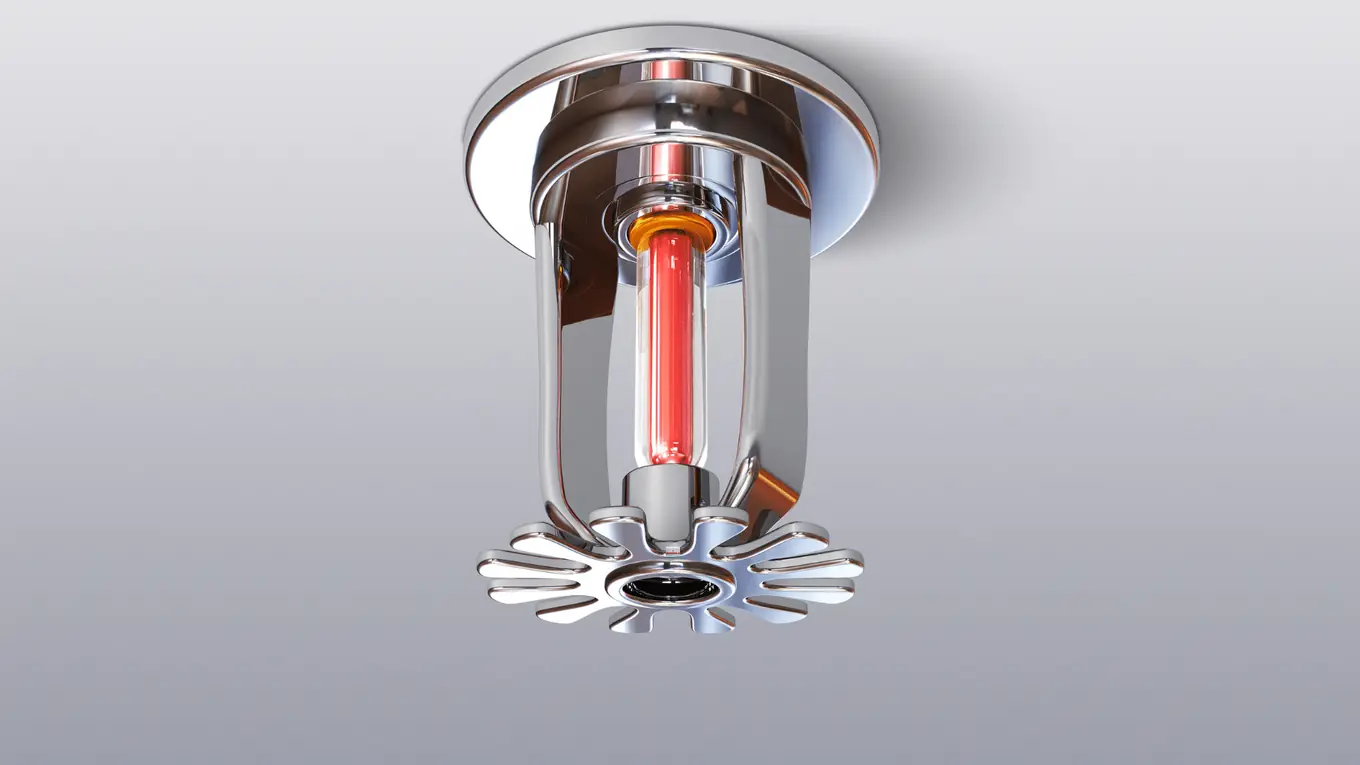
Routine inspection and testing is not only about finding what is broken. It verifies something more valuable: that the commercial fire sprinkler systems Colorado buildings depend on are still aligned with the building that actually exists today, not just the one that existed when the plans were approved.
Buildings evolve. Tenants change. Equipment ages. Codes are enforced locally. Paperwork gets misplaced. Systems that once passed acceptance testing still need ongoing verification under the applicable standards. NFPA 13 addresses installation and acceptance testing. NFPA 25 governs inspection, testing, and maintenance of water-based systems. NFPA 72 governs fire alarm systems and their maintenance framework. Denver enforces its adopted code suite with local amendments, and the local AHJ has the authority to review what is in place.
That is why routine service matters so much. It helps verify water supply readiness, component condition, alarm interaction, permit-related changes, and documentation quality. It helps catch deficiencies before they become impairments. It supports fire code compliance Denver property owners cannot afford to treat casually. And when an emergency does happen, or when an inspection request lands on a manager’s desk, it gives everyone involved a better answer than guesswork.
For most commercial properties, that is the real goal. Not perfect paperwork for its own sake, and not maintenance for maintenance’s sake. Just a system that is ready, documented, and credible visit website when it counts.